

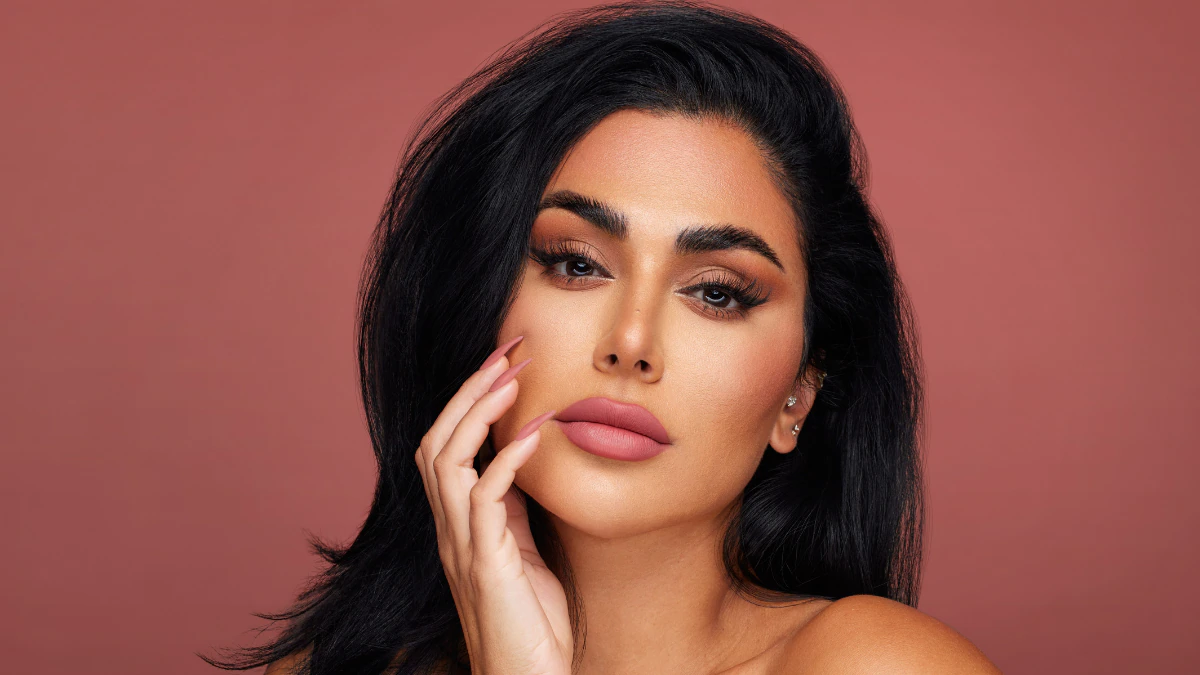
Social media influencer marketing has reshaped how brands communicate with audiences in the digital age. Instead of relying solely on traditional advertising, businesses now collaborate with individuals who already hold trust, authority, and engagement within specific communities. This shift has created a more human, relatable, and effective form of marketing that aligns with how people consume content today.
A recommendation from a trusted creator feels personal rather than promotional. This emotional connection is what makes influencer-driven campaigns far more impactful than generic ads.
The rise of authenticity in social media influencer marketing
Modern audiences are highly aware of advertising tactics. They scroll past anything that feels forced or overly scripted. Influencer marketing thrives because it blends naturally into everyday content, making brand messages feel organic.
Creators like Huda Kattan built global beauty empires by sharing genuine product experiences before launching brands. Similarly, Gary Vaynerchuk gained influence by offering practical insights without selling aggressively. These examples demonstrate how trust grows when creators prioritize value over promotion.
Authenticity has become the foundation of sustainable influence.
Why audiences trust influencers more than brands
People trust people, not logos. Influencers share personal stories, struggles, and opinions that resonate with followers. Over time, this consistency builds emotional loyalty.
When an influencer recommends a product, followers perceive it as advice from a friend rather than a sales pitch. This trust directly impacts purchasing decisions and long-term brand perception.
Influencer credibility cannot be manufactured overnight.
How brands strategically approach social media influencer marketing
Successful campaigns begin with alignment rather than reach. Brands analyze audience demographics, engagement quality, and content tone before selecting creators. A smaller influencer with high engagement often delivers better results than a celebrity with millions of disengaged followers.
Brands that invest time in relationship-building see higher campaign returns. Long-term partnerships create authenticity that one-off promotions rarely achieve.
Strategy always outperforms scale.
Storytelling as the core of influencer campaigns
Storytelling transforms products into experiences. Influencers weave brand messages into daily routines, challenges, and personal narratives. This approach keeps content relatable and memorable.
For example, fitness creators demonstrate real progress using specific tools or supplements, while travel influencers showcase authentic moments rather than staged advertisements.
Stories convert attention into action.
Table: Core elements of successful influencer marketing campaigns
| Element | Purpose | Impact |
|---|---|---|
| Creator relevance | Matches brand values | Builds audience trust |
| Engagement quality | Measures influence | Improves conversions |
| Content authenticity | Feels natural | Strengthens credibility |
| Long-term collaboration | Builds consistency | Increases ROI |
| Performance tracking | Measures results | Optimizes strategy |
Platforms shaping influencer marketing success
Different platforms support different content styles. Instagram focuses on visual storytelling, YouTube supports long-form authority content, and TikTok drives trend-based discovery.
Brands tailor messaging according to platform behavior rather than reusing identical content everywhere. Platform-specific strategies increase relevance and engagement.
Understanding user intent is essential.
Social media influencer marketing and EEAT principles
Experience, expertise, authority, and trust define long-term influencer success. Brands increasingly prioritize creators who demonstrate real-world usage, transparent opinions, and subject knowledge.
Creators who disclose partnerships openly maintain credibility. Audiences respect honesty, even when content is sponsored.
EEAT-driven campaigns outperform short-term hype.
Micro-influencers versus celebrity influencers
Micro-influencers often outperform celebrities in niche markets. Their smaller audiences are more engaged and loyal. These creators communicate directly with followers, creating deeper connections.
Celebrity influencers offer massive reach but lower engagement rates. Brands balance both depending on campaign goals.
Relevance matters more than fame.
Measuring the real impact of influencer campaigns
Metrics extend beyond likes and views. Brands evaluate conversions, website traffic, audience sentiment, and brand recall. Influencer marketing success lies in long-term perception shifts rather than instant sales alone.
Advanced analytics tools help brands track performance accurately and refine future campaigns.
Data transforms creativity into measurable growth.
Legal and ethical responsibilities in influencer marketing
Transparency is no longer optional. Regulatory bodies require influencers to disclose paid partnerships clearly. Ethical creators comply willingly to maintain audience trust.
Brands working with responsible influencers avoid reputational risks and build sustainable credibility.
Trust protects long-term value.
How influencer marketing supports small businesses
Small brands leverage influencer partnerships to compete with larger companies. A single trusted creator can introduce products to highly targeted audiences without massive ad budgets.
Local influencers help businesses build regional credibility while maintaining authenticity.
Influence levels the playing field.
Challenges faced by influencer marketing campaigns
Fake followers, inconsistent content quality, and misaligned partnerships can reduce campaign effectiveness. Brands must vet influencers carefully using engagement audits and content reviews.
Clear communication and realistic expectations prevent misunderstandings.
Preparation minimizes risk.
Creator burnout and sustainable collaborations
Influencers face creative pressure and performance demands. Brands that respect creative freedom and realistic timelines foster healthier partnerships.
Creators who maintain balance produce better content and sustain audience trust.
Sustainability benefits everyone involved.
Cultural sensitivity in global influencer campaigns
Influencer marketing often crosses borders. Brands must ensure content respects cultural differences and avoids stereotypes. Creators with global audiences understand these nuances better than scripted ads.
Cultural awareness strengthens international credibility.
Future trends shaping influencer marketing
AI tools, short-form video dominance, and performance-based partnerships are shaping the future. Brands are shifting toward outcome-driven collaborations rather than vanity metrics.
Creators who adapt early gain competitive advantages.
Innovation drives relevance.
Why long-term trust defines influencer success
Audiences stay loyal to creators who remain consistent, honest, and value-driven. Once trust is broken, regaining it becomes difficult.
Brands that protect audience trust through ethical partnerships achieve sustainable growth.
Social media influencer marketing succeeds when human connection remains the priority.
Read also:
influencer gonewild
aarush bhola age
bryce adams only fans
yashasvi jaiswal height in feet
katie sigmond only fans