

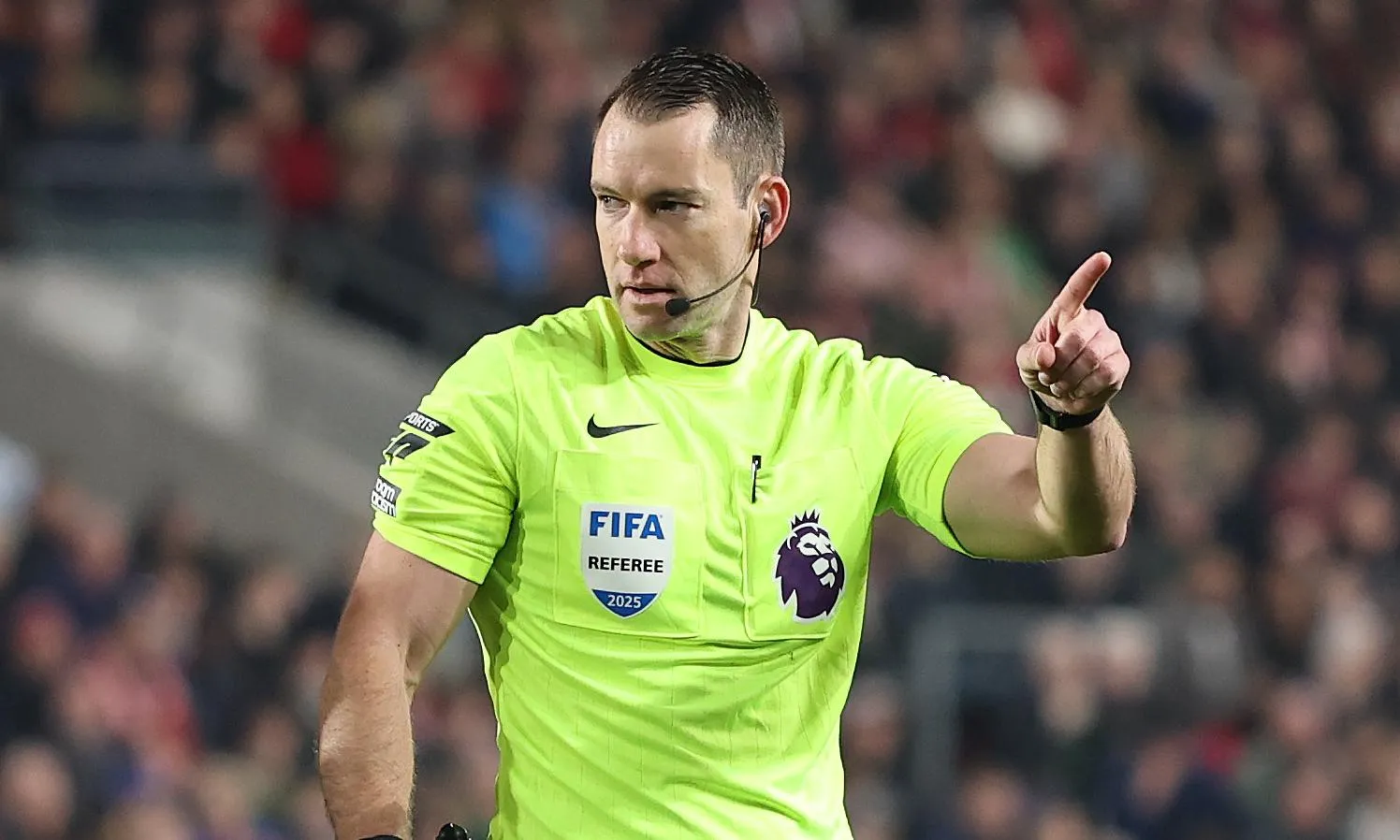
Match officiating highlights have become an inseparable part of the modern sports experience, serving as a focal point for intense debate and tactical analysis alike. If you have ever sat on the edge of your seat during a high-stakes final, you know that the man or woman with the whistle holds as much power over the outcome as the star striker or the elite quarterback. These highlights do more than just show a penalty or a red card; they pull back the curtain on the immense pressure and split-second cognitive processing required to manage twenty-two elite athletes in real-time. By studying these moments, fans and analysts gain a profound appreciation for the “third team” on the field—the officiating crew—whose performance is often only noticed when it is perceived to be flawed.
There is a unique tension that exists within the stadium the moment a referee puts the whistle to their lips. In those few seconds where play stops and the crowd holds its breath, the narrative of the entire match can shift. This is why match officiating highlights are frequently the most-watched segments of sports news broadcasts. They offer a chance for viewers to see what the official saw, often from multiple angles that were unavailable to the person on the pitch. It is a humbling experience to realize that while we have the luxury of slow-motion replays and 4K resolution, the official had one chance, one angle, and perhaps a fraction of a second to make a decision that could define a season.
The evolution of technology has fundamentally changed how we consume these highlights. Gone are the days when a referee’s word was absolute and unquestioned simply because there was no way to prove otherwise. Today, the introduction of Video Assistant Referees (VAR) and various goal-line technologies has turned officiating into a collaborative effort between the human on the grass and the technicians in the booth. This synergy has created a new category of highlights that focus specifically on the communication and review process. Watching a referee walk over to a pitch-side monitor is now a dramatic event in its own right, filled with the same suspense as a penalty shootout.
Referees are often described as the only people in the stadium who don’t care who wins, but that doesn’t mean they aren’t emotionally invested in the game. They are athletes in their own right, often covering more distance during a football match than many of the players. Their positioning is a science, requiring them to anticipate play and move into “windows” where they have the best sightline to the ball and potential infractions. When we look at match officiating highlights, we are seeing the culmination of years of physical training and rulebook mastery. A well-positioned referee makes the game look easy, effortlessly gliding out of the way of passes while keeping a sharp eye on off-the-ball incidents.
The Psychology Behind the Whistle in Match Officiating Highlights
One of the most fascinating aspects of officiating is the psychological management of the game. A referee is not just a rule-enforcer; they are a diplomat, a psychologist, and a mediator. They must manage the “temperature” of the match, knowing when to let play flow and when to step in to prevent tempers from boiling over. You can see this mastery in highlights where a referee uses a calm word or a stern look to de-escalate a confrontation between two rival players. This “soft skill” of game management is just as important as knowing the offside rule, yet it is rarely discussed in the same breath as technical accuracy.
Professional officials often talk about the “feeling” of a game. They can sense when a team is becoming frustrated or when a particular rivalry is reaching a breaking point. In these moments, the official might blow for a minor foul just to give everyone a chance to reset and breathe. These subtle decisions rarely make the highlight reels of casual fans, but for students of the game, they are masterclasses in leadership. Understanding why an official chose to play an advantage instead of stopping the game requires a deep knowledge of the tactical flow, making those specific highlights a gold mine for aspiring coaches and referees.
The scrutiny on officials has reached an all-time high due to the reach of social media. A single mistake can be clipped, shared, and memed within seconds of occurring. This puts an incredible mental burden on the officiating crew, who must remain focused for the full ninety minutes plus stoppage time. They are trained to have a “short memory,” moving on from a potential error immediately so it doesn’t cloud their judgment for the rest of the match. When we analyze match officiating highlights, we are often seeing the resilience of professionals who are operating under a microscope that few other professions can relate to.
There is also the concept of “home-field advantage” and how it subtly influences decision-making. While every official strives for total objectivity, the roar of 60,000 fans can exert a subconscious pressure. Sports scientists have studied this phenomenon for decades, noting that officials are slightly more likely to award a 50/50 decision to the home team in a loud environment. The best officials are those who can tune out the noise and rely entirely on their training and visual cues. Seeing an official confidently make an unpopular but correct call in a hostile away stadium is a testament to their mental strength and integrity.
The Role of Education in Analyzing Match Officiating Highlights
Many leagues have started releasing audio recordings of the conversations between the on-field referee and the VAR team. This transparency has been a game-changer for public perception. By hearing the step-by-step logic used to reach a decision, fans can begin to understand that officiating is not about “guessing” but about following a rigorous protocol. These audio-augmented highlights provide an educational tool that helps bridge the gap between the fans’ emotional reaction and the official’s technical application of the Laws of the Game. It humanizes the process and shows the collaborative nature of modern officiating.
The training that goes into becoming a top-tier official is grueling. Most begin their careers on local park pitches, dealing with disgruntled parents and amateur players for very little pay. Only the most dedicated and talented individuals rise through the ranks to the professional level. This journey builds a level of toughness and expertise that is often overlooked. When you watch a highlight of a perfectly executed advantage play that leads to a goal, you are seeing the result of decades of experience. The official had to recognize the foul, see that the fouled team still had the ball in a promising position, and decide in a heartbeat not to blow the whistle.
In different parts of the world, officiating styles can vary significantly. In some leagues, the culture allows for a more physical game, with the referee letting “minor” fouls go to maintain a high pace. In others, the focus is on strict adherence to the letter of the law to protect the safety of the players. These cultural nuances are reflected in the highlights of different international competitions. A tackle that is considered a “good old-fashioned challenge” in one country might be a straight red card in another. This diversity in interpretation adds another layer of complexity to the global game and makes international officiating crews a unique blend of different philosophies.
The relationship between players and officials is a constant dance of respect and gamesmanship. Players will often “test” a referee early in the match to see what they can get away with. They might go down a little too easily or hold an opponent’s shirt during a corner. An experienced official will shut this behavior down early, establishing their authority and setting the tone for the rest of the evening. Highlights that show these early interactions are crucial for understanding how the rest of the game unfolded. A referee who loses control in the first fifteen minutes will likely have a very difficult time for the remaining seventy-five.
The Global Impact of Match Officiating Highlights on Rule Changes
History is filled with “what-if” moments caused by officiating decisions. From the “Hand of God” to Frank Lampard’s ghost goal against Germany, these moments have changed the course of football history and served as the catalyst for major rule changes. Every time a major error occurs, it is analyzed to death in the media, leading to calls for better technology or clearer wording in the rulebook. In this way, highlights of officiating errors act as a feedback loop that drives the evolution of the sport. We learn from the mistakes of the past to ensure a fairer future for the next generation of players and fans.
The concept of “simulation” or diving is one of the most contentious issues in modern sports. It is the ultimate act of gamesmanship designed to deceive the official into awarding an unfair advantage. Detecting simulation in real-time is incredibly difficult, as the speed of the game makes it hard to tell if there was actual contact. However, high-definition match officiating highlights often reveal the truth, showing the gap between the defender’s foot and the attacker’s leg. These highlights serve as a deterrent, as players know that even if they fool the referee in the moment, their reputation will be analyzed by millions of people online shortly after.
Consistency is the “holy grail” of officiating. Fans and players generally don’t mind if a referee is strict or lenient, as long as they are the same for both sides throughout the match. The most frustrating highlights for fans are those that show a lack of consistency—where a foul is given in the first half but a similar one is ignored in the second. Achieving total consistency is an impossible task for a human being, but it remains the standard that all officials strive for. The use of data and post-match analysis helps officials identify their own patterns and work toward a more uniform application of the rules.
Officiating is also about physical safety. The primary responsibility of any referee is to ensure that the players remain safe on the field. This means identifying “reckless” or “excessive force” challenges that could lead to serious injury. When we see a highlight of a red card for a dangerous tackle, we are seeing the official fulfill their most basic duty. While the player and their fans might be angry, the official is acting as the guardian of the sport’s integrity and the players’ careers. This protective role is a heavy burden, especially when the tackle occurs in the heat of a high-speed counter-attack.
The future of officiating likely involves even more integration with artificial intelligence. We are already seeing “semi-automated offside technology” that can detect a player’s position within millimeters. This will change the nature of officiating highlights once again, shifting the focus from “did the linesman get it right?” to “did the sensor trigger correctly?” While some purists argue that this removes the soul of the game, others welcome the increased accuracy. Regardless of where you stand, the human official will always be necessary to interpret the intent and the context of the play, things that a computer cannot yet fully grasp.
The media’s role in shaping the narrative around officiating cannot be ignored. Pundits and commentators often spend more time talking about a controversial penalty than the goal itself. This can create a skewed perception of an official’s performance, focusing on one mistake while ignoring ninety minutes of perfect positioning and game management. Fair and balanced analysis of match officiating highlights should aim to highlight both the successes and the failures. A referee who allows a great game to flow by making several difficult “no-call” decisions deserves just as much praise as a striker who scores a hat-trick.
We must also consider the grassroots level of officiating. The highlights we see on television are the pinnacle of the profession, but the health of the game depends on the thousands of officials working at lower levels. The abuse that many of these officials face is a serious concern, and many are calling for better protection and more respect for the role. By highlighting the difficulty and the skill involved in professional officiating, we can hopefully foster a more respectful culture toward officials at all levels of the game. They are essential to the sport, and without them, the game would descend into chaos.
Every time an official steps onto the field, they are accepting a challenge that most people would find overwhelming. They are expected to be perfect in an environment where perfection is impossible. They are the silent architects of the game’s structure, providing the boundaries within which the players can showcase their talent. When we watch the highlights of their performance, we should do so with an eye for the complexity of their task. It is a job that requires courage, intelligence, and an unwavering commitment to fairness, often in the face of immense hostility.
The “advantage” rule is perhaps the most beautiful part of a referee’s toolkit. It allows the game to maintain its rhythm even when a foul has been committed. To see a referee signal for advantage, allowing an attacker to break through and score, is to see the rulebook serve the spirit of the game. These highlights are the perfect example of why the human element is so important. A machine would stop the game the moment the foul occurred, but a human official understands that the “victim” of the foul is actually in a better position if the game continues. This level of intuition is what makes great officiating an art form.
As we continue to push the boundaries of what is possible in sports broadcasting, our window into the world of officiating will only grow wider. We will see more behind-the-scenes footage, hear more audio, and have access to more data than ever before. This transparency is a good thing for the sport, as it helps demystify a role that has traditionally been shrouded in secrecy. It allows us to see the officials as people—dedicated professionals who love the game just as much as we do and who are doing their best to ensure that the final result is determined by the players’ skill and nothing else.
Ultimately, the study of officiating is a study of the game itself. You cannot truly understand football, basketball, or any other major sport without understanding the rules and how they are applied. The highlights of these decisions provide a roadmap for that understanding, offering a masterclass in the fine details that separate winning from losing. Whether it’s a perfectly timed whistle or a brave decision to let play continue, these moments are the heartbeat of competitive sport. They remind us that while the athletes are the stars, the structure of the contest is held together by the thin black line of the officiating crew.
Watching these highlights should also serve as a reminder of the need for empathy. In the heat of the moment, it is easy to scream at the television or the pitch when a decision goes against your team. However, when you see the replay and realize just how difficult the call was, it often tempers that anger with a bit of respect. The goal of any official is to be invisible, to let the players decide the game. When they achieve that, it is a success that deserves to be celebrated, even if it doesn’t make for the most sensational headline in the morning papers.
The next time you settle in to watch a match, pay a little more attention to the positioning and the body language of the officials. Watch how they communicate with the players and how they manage the pressure of a big moment. You will find that there is a whole other game being played—a game of authority, focus, and precision. It is a game that is just as fascinating as the one being played with the ball, and it is a game that defines the very essence of professional sportsmanship in the twenty-first century.
Read also :-
argentina national football team vs uruguay national football team lineups
tifa sex
honduras national football team vs mexico national football team lineups
germany national football team vs france national football team lineups
france national football team vs croatia national football team lineups
croatia national football team vs portugal national football team lineups