

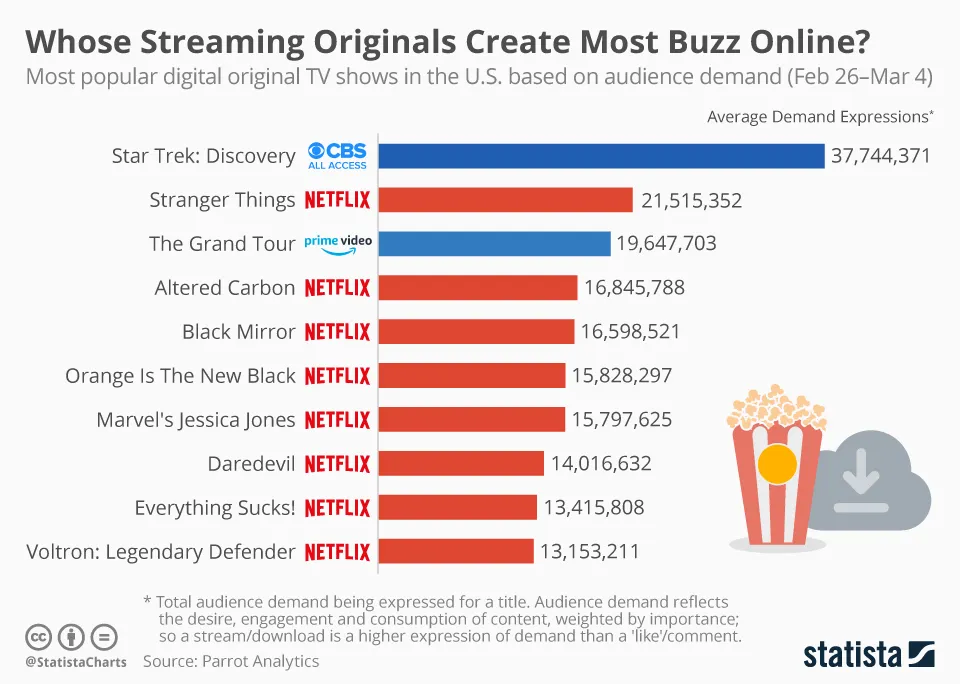
Streaming platform originals have completely transformed how we experience movies and television, and the shift feels almost personal. One evening you’re casually browsing for something light, and the next you’re immersed in a gripping drama produced by a platform you once associated only with reruns and licensed content. That change didn’t happen overnight. It’s the result of a strategic evolution that has redefined entertainment itself.
A decade ago, viewers depended on cable schedules and box office releases. Today, audiences expect on-demand access to high-quality storytelling, often created directly by the platforms delivering it. Streaming services are no longer just distributors; they are powerful studios shaping culture, trends, and conversations worldwide.
The rise of platform-produced content has sparked debates in boardrooms, classrooms, and living rooms. Are traditional studios losing relevance? Are algorithms replacing creative instincts? And why are viewers so deeply attached to shows released by apps on their phones?
To understand this revolution, we need to explore how streaming services moved from licensing libraries to building entertainment empires.
Table of Contents
ToggleThe Evolution of Streaming Platform Originals
In the early streaming era, platforms relied heavily on syndicated television shows and older films. Their value proposition was convenience. Watch anytime. Pause anytime. No commercials.
Then came the turning point. Services like Netflix invested heavily in exclusive content such as House of Cards and Orange Is the New Black. These weren’t experimental side projects; they were statements. Platforms wanted ownership, creative control, and subscriber loyalty.
Soon, competitors followed. Amazon Prime Video launched award-winning dramas. Disney+ leaned into established franchises. Apple TV+ entered the arena with high-budget prestige projects. What began as experimentation evolved into a full-scale production race.
This shift changed the business model entirely. Instead of negotiating licensing rights annually, platforms began building intellectual property that could drive long-term subscriber growth. Owning the content meant owning the conversation.
Why Streaming Platform Originals Dominate Pop Culture
When a new season of a popular series drops at midnight, social media lights up instantly. Memes, spoilers, fan theories, and reaction videos flood timelines within hours. This cultural immediacy is one reason Streaming platform originals hold such power.
Unlike traditional television, streaming releases often encourage binge-watching. Entire seasons drop simultaneously, creating immersive storytelling experiences. Viewers don’t wait week by week; they dive deep in one weekend.
This consumption pattern strengthens emotional connection. When audiences spend eight hours straight with a set of characters, the bond intensifies. That emotional investment translates into loyalty not just to the show but to the platform itself.
The global distribution model also plays a huge role. A series released in Spain or South Korea can trend worldwide within days. Language barriers are shrinking thanks to subtitles and dubbing. International hits are no longer niche; they are mainstream.
Data-Driven Creativity Behind the Scenes
One of the most fascinating aspects of streaming production is the use of data analytics. Platforms analyze viewing patterns, pause points, completion rates, and genre preferences. This information guides investment decisions.
Critics sometimes argue that data-driven strategies compromise artistic integrity. However, many creators see it differently. Analytics can reveal underserved audiences and hidden demand for certain narratives.
For example, if millions of viewers consistently finish crime thrillers but abandon romantic comedies halfway through, the platform gains insight into storytelling engagement. That doesn’t eliminate creativity; it refines it.
The balance between art and analytics is delicate. Successful Streaming platform originals often blend algorithmic insight with bold creative risks. Data might identify an audience appetite, but compelling writing and direction still determine success.
The Globalization of Storytelling
One of the most exciting developments in modern entertainment is the rise of non-English productions. International dramas are no longer confined to regional markets.
Shows from South Korea, Germany, India, and Spain have reached global audiences at unprecedented scale. Viewers are discovering new cultures, traditions, and storytelling styles without leaving their couches.
This globalization fosters cultural exchange. It challenges stereotypes and broadens perspectives. Audiences begin to appreciate universal themes expressed through diverse lenses.
The investment in local production hubs across continents has expanded job opportunities for writers, directors, and actors. Regional talent now competes on a global stage, powered by streaming distribution.
The Economics of Original Content
Producing original series and films requires massive budgets. High-end productions can cost hundreds of millions of dollars per season. Platforms justify these expenses by viewing content as long-term assets rather than short-term programming.
Subscriber retention is the key metric. If a hit show convinces millions of users to maintain subscriptions, the return on investment becomes clear. The lifetime value of a subscriber often outweighs immediate production costs.
Merchandising, licensing, and spin-offs further extend profitability. Intellectual property ownership allows platforms to expand narratives into games, books, and merchandise.
The competitive landscape has intensified spending. Each service aims to deliver the next viral phenomenon. As a result, quality standards have risen dramatically across the industry.
Creative Freedom and New Voices
Traditional studios often relied on established formulas. Risk aversion shaped decision-making processes. Streaming services, by contrast, have frequently taken chances on unconventional concepts.
Emerging filmmakers and underrepresented voices have found opportunities within this ecosystem. Diverse casting and storytelling have become strategic priorities rather than afterthoughts.
Audiences increasingly demand authenticity. Stories reflecting varied experiences resonate deeply. Platforms responding to this demand gain credibility and cultural relevance.
In many cases, creators report greater creative flexibility compared to network television. Fewer censorship restrictions and flexible episode formats allow experimentation.
This openness has helped shape some of the most compelling narratives of the past decade.
Technology’s Role in Enhancing Streaming Platform Originals
Technology is not just a distribution channel; it’s part of the storytelling experience. High-definition streaming, adaptive bitrate technology, and personalized recommendations enhance viewer satisfaction.
Advanced production tools also influence quality. Virtual sets, CGI advancements, and cloud-based collaboration streamline filmmaking processes. Budgets stretch further with innovative production workflows.
Interactive storytelling has also emerged. Some projects allow viewers to influence narrative outcomes, creating a hybrid of gaming and cinema.
As devices evolve, so does content strategy. Mobile-first viewing patterns affect episode length and pacing. Platforms adapt storytelling formats to match audience behavior.
Audience Psychology and Binge Culture
There’s a psychological component to why viewers gravitate toward serialized streaming content. Cliffhangers trigger anticipation. Autoplay features reduce friction between episodes.
The convenience of uninterrupted storytelling fosters habit formation. Platforms design user interfaces to minimize distractions and maximize engagement.
However, binge culture has sparked discussions about screen time and mental health. Some viewers intentionally pace themselves to savor narratives over weeks rather than hours.
Despite these debates, the demand for immersive storytelling remains strong. Emotional engagement drives continued investment in high-quality production.
Challenges Facing Streaming Platform Originals
While growth has been impressive, challenges are mounting. Market saturation has increased competition. Viewers now juggle multiple subscriptions.
Content fatigue is real. With countless new releases each month, standing out requires exceptional marketing and storytelling.
Rising production costs strain budgets. Economic fluctuations impact subscriber growth. Platforms must balance innovation with financial sustainability.
Piracy also remains a concern, particularly for highly anticipated releases. Security measures and global pricing strategies aim to address these issues.
Additionally, regulatory scrutiny in some regions influences content guidelines and distribution policies.
The Role of Awards and Critical Recognition
Industry recognition plays a significant role in shaping brand perception. Major award wins boost credibility and attract new subscribers.
Prestigious accolades signal quality. They reassure audiences that the platform delivers not just quantity but excellence.
Over time, streaming services have gained equal footing with traditional studios at global award ceremonies. This shift reflects broader acceptance of digital-first productions.
Critical acclaim often amplifies word-of-mouth marketing, extending the lifespan of a show beyond its initial release window.
Community Building Around Content
Fan communities have become central to the success of Streaming platform originals. Online forums, social media discussions, and fan art strengthen engagement.
Platforms actively encourage community interaction through behind-the-scenes features, cast interviews, and interactive campaigns.
This sense of belonging enhances loyalty. Viewers feel part of a shared cultural moment rather than passive consumers.
Community-driven hype often determines whether a show becomes a global phenomenon or quietly fades away.
The Future of Streaming Platform Originals
Looking ahead, the industry continues to evolve. Hybrid release models are emerging, blending theatrical premieres with digital streaming.
Artificial intelligence may assist in script development and audience targeting, though human creativity will remain central.
Partnerships between platforms and international studios are likely to expand. Co-productions reduce risk while broadening reach.
The next wave of innovation may focus on immersive technologies such as augmented and virtual reality. As hardware becomes more accessible, storytelling possibilities expand.
Sustainability is also entering the conversation. Eco-friendly production practices and energy-efficient data centers reflect growing environmental awareness.
Ultimately, Streaming platform originals are no longer a trend. They represent a structural shift in how stories are conceived, financed, distributed, and consumed.
Trust, Transparency, and EEAT in the Streaming Era
From an EEAT perspective, credibility matters deeply in entertainment journalism and production. Platforms must demonstrate expertise through consistent quality and responsible storytelling.
Experience is reflected in how platforms learn from audience feedback. Authority grows when a service repeatedly delivers culturally impactful narratives.
Trust emerges when viewers believe their time and money are valued. Transparent pricing, reliable streaming quality, and respectful data usage strengthen this trust.
As the ecosystem matures, platforms that align technological innovation with ethical responsibility will stand out.
The conversation around Streaming platform originals is far from over. With each new release, audiences shape the future of digital entertainment, influencing which stories rise and which fade into obscurity. The relationship between viewer and platform continues to evolve, driven by curiosity, creativity, and an unending appetite for compelling narratives.
Read also :-
