

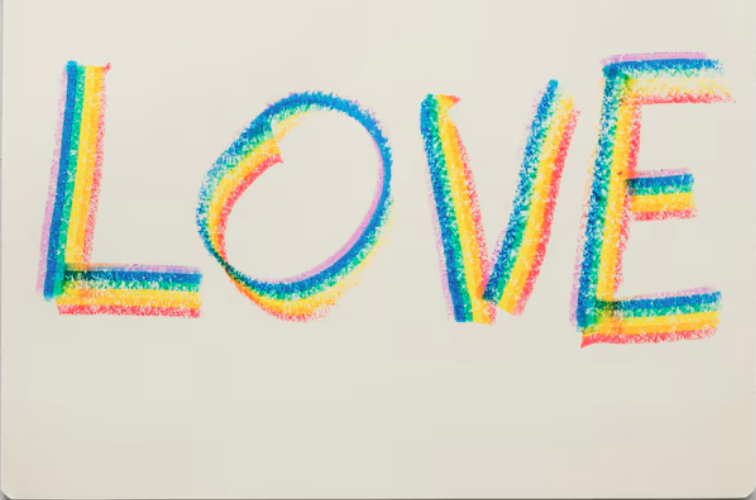
Typography Walls That Reinforce DEI and Inclusion: A Practical Guide for Shared Spaces
A typography wall is more than text on a surface. Done well, it becomes a daily cue for how people treat one another: who gets invited in, who gets heard, and what “belonging” looks like in practice. Whether you’re styling an office, a studio, a classroom corner, or a client-facing lobby, the right words—paired with thoughtful design—can make inclusion feel visible and lived-in, not theoretical.
This guide walks you through the messaging, layout, and canvas print choices that help typography wall art support DEI (diversity, equity, and inclusion) in a way that feels sincere, readable, and lasting.
What a typography wall is (and why words shape culture)
Typography wall art uses letterforms as the main visual element—statements, commitments, principles, or short reminders. In shared environments, people absorb these messages repeatedly. That repetition matters: it can reinforce respectful norms, encourage collaboration, and reduce ambiguity about what behavior is expected.
The goal is not to “decorate with slogans.” The goal is to create a calm, consistent signal that your space values fairness, dignity, and shared responsibility—without sounding performative.
Define the goal: what your DEI message needs to do in the room
Set one clear theme
Strong typography walls focus on one theme and express it in a few aligned lines. Choose the direction that best matches your space:
- Belonging: welcoming language that lowers barriers for new people.
- Respect: reminders about listening, tone, and everyday courtesy.
- Fairness: cues about equal participation and transparent decisions.
- Psychological safety: permission to ask questions and learn out loud.
- Collaboration: signals that ideas are built together, not competed for.
Choose the audience
Typography walls work best when they speak to real moments in the room. A team collaboration space might need meeting norms. A reception area might need a “you belong here” welcome. A home office might need a personal compass that keeps work aligned with values.
Write the copy: short statements people can live by
Use “we” language that signals shared responsibility
Messages land better when they feel collective. “We listen” feels more actionable than “Listen.” “We make room for every voice” is clearer than “Inclusion matters.”
Prefer plain wording over corporate slogans
Choose language people would actually use in conversation. Simple, specific statements tend to feel more genuine—and they’re easier to remember.
Avoid copyrighted quotes—create original lines your space can own
Instead of relying on famous quotes, write original lines tailored to your environment. Keep them short, concrete, and behavior-based. Here are examples you can adapt:
“We ask, we listen, we learn.”
“Every voice counts. Every day.”
“Respect is how we work.”
“Make space. Share credit.”
“Clarity, kindness, accountability.”
Typography design choices that help everyone read it
Font style: legibility first
If the text is the art, readability is the finish. Choose clean letterforms, strong weight contrast, and comfortable spacing. Ultra-thin strokes can vanish at distance. Overly decorative fonts can slow reading and reduce impact.
If you want a modern, graphic approach that still feels professional, explore graphic design wall art and look for pieces with crisp type hierarchy and generous negative space.
Contrast and scale: readable at the distance people stand
Think about where people will view the piece: passing by, seated at a table, or waiting in line. Larger type and clean contrast help. If your wall is visually busy, pick typography with calm composition and fewer words.
Language options: clarity and inclusion
If you’re using multiple languages, keep each line short and match the meaning precisely. It’s better to use two short lines than to compress everything into a dense block of text.
Build representation into the message without token phrases
Name behaviors, not labels
Instead of trying to “cover everyone” in one statement, name actions that create inclusion: inviting quieter voices, being curious, giving credit, and addressing bias with care.
Add “room rules” for meetings and shared areas
Meeting norms are a powerful place for typography because they turn values into practice. Consider statements such as:
“One speaker at a time.”
“Assume good intent; own impact.”
“Invite the quiet voices.”
“Disagree with ideas, not people.”
Where typography walls work best inside a space
Entryway and hallway: a welcome that sets tone
First impressions are formed quickly. A simple, warm typography canvas at the entrance can reduce social friction and signal that people are safe to show up as themselves. For placement ideas and styles that suit transitional spaces, browse entryway and hallway wall art.
Office and meeting room: collaboration cues people see often
In work areas, typography wall decor is most effective when it supports everyday decisions: how feedback is given, how meetings are run, and how conflict is handled. If your goal is a professional look that still feels human, start with office wall art prints and choose typography pieces that are calm, readable, and aligned with your team’s tone.
Home office or studio: values that guide the work
In personal workspaces, typography can anchor intention: patience, curiosity, craft, or courage. Keep the copy short, then match the scale to your wall so it reads like art, not a sticky note.
Layout ideas for a typography wall
One statement piece
A single large canvas print is the cleanest option. Choose one commitment line and make it the focal point. This works especially well when your space already has strong architectural features.
3–6 piece grid (values series)
A small series can express a “code of conduct” without a heavy tone. Each panel carries one value. Keep fonts consistent, then vary emphasis with scale.
Gallery wall mix (text + minimal graphics)
Pair typography with minimal shapes or abstract visuals to soften the message while maintaining clarity. If your space is strategy-driven—presentations, planning, decision-making—consider typography paired with conceptual imagery from business concept wall art prints.
Choosing canvas print formats for typography
Sizing guide: keep it readable, not crowded
Typography needs breathing room. If you’re placing a piece above furniture, leave visible wall space around it so the text reads as intentional design. If the wall is narrow, go taller rather than wider. If the wall is expansive, choose a larger print or a multi-piece set so the message doesn’t feel lost.
Single-panel vs multi-panel typography sets
Single-panel typography is bold and direct. Multi-panel sets are more conversational: each line becomes a “chapter” people can absorb over time. For DEI messaging, multi-panel sets often feel less like a directive and more like a shared commitment.
What to look for in a typography canvas print
Clean edges, sharp letterforms, and consistent spacing are the details that make typography feel premium. On Artesty, canvas prints are produced on natural canvas with high-quality ink and carefully stretched on wood panels before shipping, which supports the crisp, finished look typography needs.
How to create your typography wall in 7 steps
- Choose the room purpose: welcome, collaboration, focus, or care.
- Write 5–10 candidate lines: short, original, behavior-based.
- Select a hierarchy: one headline line, then 2–5 supporting lines.
- Mock placement: view from typical standing and seated distances.
- Pick sizes and layout: single statement or a small series.
- Order the canvas prints: keep typography consistent for cohesion.
- Hang with alignment: level, centered, and spaced evenly for calm impact.
FAQ
1) How many words should a typography canvas print have?
For most spaces, fewer words have more impact. Aim for one headline line plus a short supporting line, or a small set where each panel carries one value.
2) Should values be statements, questions, or commitments?
Commitments tend to drive behavior best because they sound like a shared standard. Questions work well in learning spaces where reflection is the goal.
3) How do we avoid messaging that feels performative?
Write what you are willing to practice. Choose behavior-based lines and align them with real meeting norms and everyday choices.
4) What typography style feels professional but still warm?
Look for clean fonts with generous spacing and a calm layout. Minimal graphic accents can soften the tone without reducing readability.
5) Can we include multiple languages without clutter?
Yes—keep each line short and use consistent formatting. Two short lines are usually clearer than one dense paragraph.
6) What size works best above a desk?
Choose a size that reads easily from your chair. If the wall is wide, a larger statement piece or a 3-piece set keeps the typography balanced.
7) What size works best in a meeting room?
Prioritize readability from the farthest chair. Larger type with fewer lines is typically more effective than a wordy list.
8) Where should we place typography in a client-facing space?
Place it where people naturally pause—near seating or the first sightline after entering—so the message feels like a welcome, not an instruction.
9) How do we keep the message current as the team evolves?
Choose a timeless core commitment, then refresh supporting pieces annually. A series format makes updates easy without redesigning the whole wall.
10) Can typography walls support onboarding?
Absolutely. A clear values statement helps new people understand how the space operates and what respectful collaboration looks like.
11) What colors work best for readability?
High-contrast pairings usually read best at distance. If you prefer subtle tones, keep the text large and the background clean.
12) Is it better to use one large piece or several small pieces?
One large piece feels bold and simple. Several pieces can feel more collaborative and can separate different values across panels.
13) How do we choose typography that suits modern wall decor?
Look for restrained layouts, clear hierarchy, and consistent spacing. Modern typography tends to feel calm, intentional, and uncluttered.
14) Can typography wall art improve focus as well as inclusion?
Yes—clear norms reduce friction, and fewer misunderstandings improve focus. Inclusion and clarity often support each other.
15) What’s a good first typography wall for a team?
Start with one shared line that supports everyday behavior: listening, respect, and shared credit. Then build a small series over time.
Conclusion
A typography wall that reinforces DEI and inclusion succeeds when it connects message, design, and placement. Keep the copy short and behavior-based, choose readable typography, and scale it to the room so it feels like art that belongs there. When you’re ready to curate your set, choose pieces that match your space’s tone—warm, clear, and quietly confident.
