

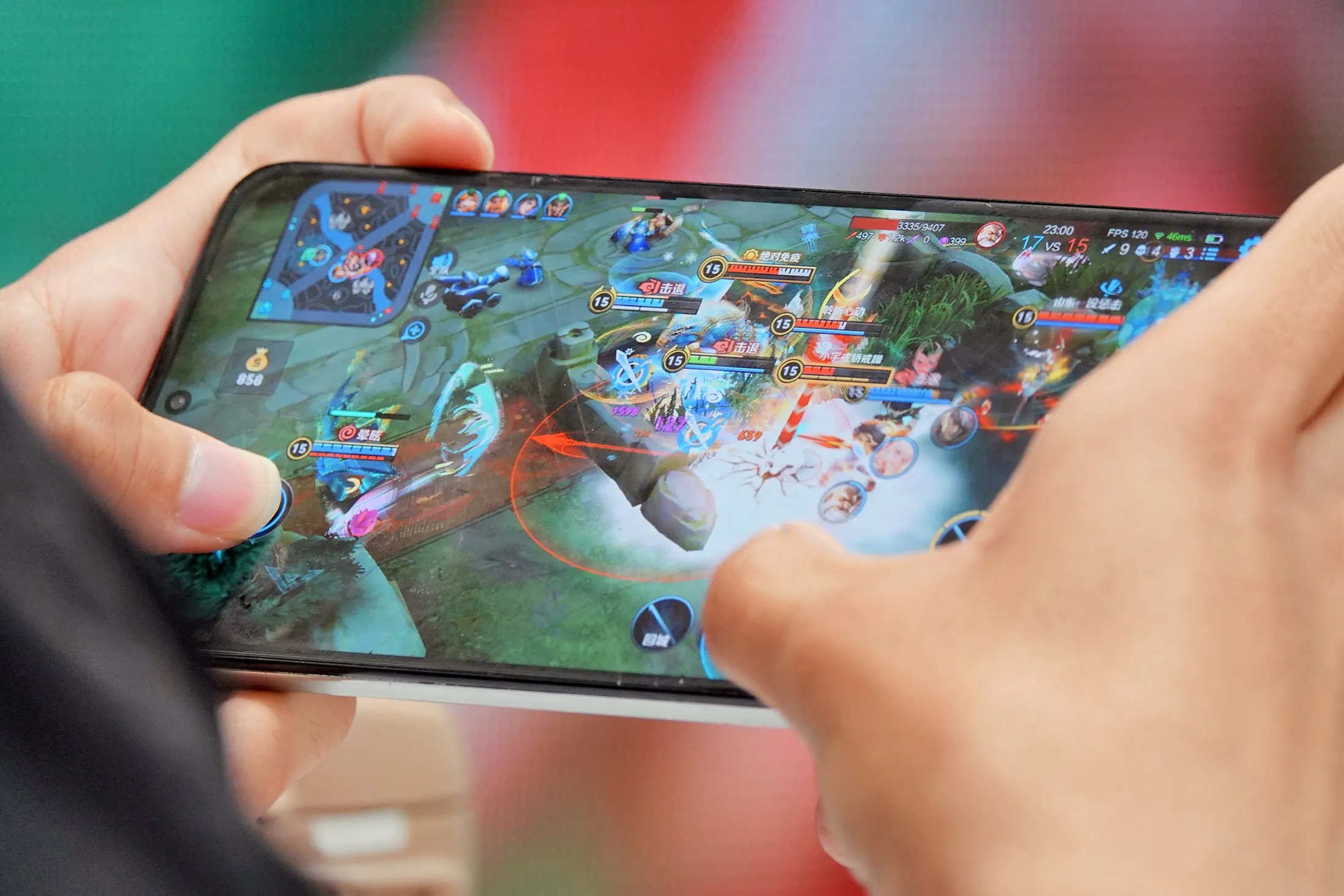
Mobile gaming boom has fundamentally changed how we interact with technology, turning every idle moment into an opportunity for adventure or competition. I remember sitting on a crowded subway train a few years ago, looking around to see that nearly every person, from teenagers to retirees, was engrossed in their smartphone screens. Some were matching colorful candies, while others were coordinating tactical strikes in complex battle royale matches. It was a stark contrast to the days of the early 2000s when “Snake” on a monochrome screen was the peak of portable entertainment. Today, our pockets hold more processing power than the consoles we used to tether to our televisions, sparking a global revolution in digital play.
The sheer scale of this movement is difficult to overstate, as it has democratized gaming in a way that traditional consoles never could. For decades, being a “gamer” required a significant financial investment in dedicated hardware and expensive physical media. This created a barrier to entry that excluded a vast majority of the global population. However, the smartphone became a ubiquitous tool for communication and work, inadvertently providing billions of people with a high-performance gaming device. This accessibility is the primary engine driving the current surge in player numbers across every continent.
We are witnessing a shift where the identity of the gamer is being rewritten. It is no longer a niche subculture defined by teenagers in dark basements; it is now your grandmother playing word puzzles or your colleague sneakily managing a digital farm during a lunch break. This expansion of the demographic has forced developers to rethink their approach to game design. They are creating experiences that can be enjoyed in thirty-second bursts or three-hour marathons, catering to a lifestyle that is increasingly fast-paced and mobile.
Why the mobile gaming boom is a global phenomenon
One of the most compelling aspects of this industry shift is how it has unfolded in emerging markets like India, Southeast Asia, and parts of Africa. In these regions, many people skipped the traditional PC and console eras entirely, moving straight to mobile devices as their primary gateway to the internet. This “mobile-first” population has created a massive demand for high-quality, free-to-play experiences. As a result, developers are prioritizing mobile optimization over high-end PC graphics to ensure their games can run on a wide variety of hardware.
The social aspect of these games has also been a major contributor to their success. During the global lockdowns of recent years, mobile titles became a vital social lifeline for people separated from their friends and family. Games like Among Us or PUBG Mobile provided a virtual space where people could hang out, talk, and share an activity. This social glue transformed games from simple entertainment products into digital hangouts, a trend that continues to grow as developers integrate more robust communication tools directly into their apps.
Furthermore, the rise of mobile esports has proven that competitive gaming is no longer restricted to PCs. Massive tournaments with multi-million dollar prize pools are now regularly held for mobile titles, drawing tens of millions of viewers. In countries like Indonesia and Thailand, professional mobile gamers are treated like mainstream celebrities, with massive fanbases and lucrative endorsement deals. This professionalization has brought a new level of legitimacy to the platform, silencing those who once dismissed mobile titles as mere “casual” distractions.
Technological advancements have played a silent but crucial role in sustaining this growth. The transition from 4G to 5G networks has significantly reduced latency, making real-time multiplayer games more stable than ever. Simultaneously, cloud gaming services are beginning to allow players to stream AAA-quality games directly to their phones without needing expensive internal hardware. These innovations are blurring the lines between different gaming platforms, suggesting a future where the device you use is less important than the quality of the connection you have.
Technological drivers of the mobile gaming boom
The evolution of game engines like Unity and Unreal Engine has been instrumental in this journey. These tools have made it easier for small independent studios to create visually stunning and mechanically deep games that can compete with titles from massive corporations. I once interviewed an indie developer who built a successful puzzle game from his home office in a small town. He explained that without the cross-platform capabilities of modern engines, his game would have never reached the millions of players it eventually did.
This accessibility for creators is just as important as the accessibility for players. When the barrier to creating a game is lowered, we see a much wider variety of voices and ideas entering the market. We are no longer limited to the perspectives of a few large studios in California or Japan. Instead, we are seeing innovative mechanics and cultural stories emerging from developers in Brazil, Poland, and South Korea. This diversity of content keeps the market fresh and ensures that there is something for everyone, regardless of their cultural background or personal interests.
Monetization models have also evolved to support this massive influx of players. The “freemium” model, where a game is free to download but offers optional in-app purchases, has become the industry standard. While it has faced criticism for certain aggressive tactics, it has undeniably allowed billions of people to enjoy premium gaming experiences without any upfront cost. The most successful developers have found a way to balance these microtransactions so that they feel like a fair exchange for value rather than a requirement to enjoy the game.
The concept of “Live Ops” is another cornerstone of the modern mobile experience. Unlike traditional games that were “finished” when they hit the store shelves, mobile games are living entities that receive constant updates, seasonal events, and new content. This keeps the community engaged for years rather than months. I know players who have been active in the same mobile strategy game for over half a decade, building deep friendships and complex alliances within that digital world. This longevity is a testament to the power of continuous development.
We must also acknowledge the role of hardware manufacturers in this narrative. Companies like Apple and Samsung are no longer just making phones; they are making gaming machines. They are investing heavily in GPU performance, high-refresh-rate displays, and specialized gaming modes that prioritize performance and battery life. Even dedicated gaming phones with built-in cooling fans and physical shoulder triggers have entered the market, catering to the “hardcore” mobile segment that demands the best possible experience.
The integration of Augmented Reality (AR) has also provided a unique flavor to the mobile experience that other platforms struggle to replicate. Pokemon GO is the most famous example of this, turning the entire physical world into a game board. It encouraged people to go outside, explore their neighborhoods, and interact with others in the real world. This blend of the digital and physical is a unique strength of mobile devices, as they are the only hardware we carry with us everywhere we go.
As the industry matures, we are seeing a trend of “cross-play” becoming more common. This allows a player on a smartphone to compete or cooperate with someone on a PC or a console. This breakdown of platform walls is a massive win for the community, as it allows friends to play together regardless of what hardware they own. It also ensures that the player base for a game remains large and healthy, as it draws from multiple ecosystems simultaneously. The mobile gaming boom is not just an isolated event; it is the catalyst for a more unified gaming world.
Psychologically, the “snackable” nature of mobile games fits perfectly into the modern human psyche. We have shorter attention spans and more fragmented schedules than ever before. Being able to complete a quick level while waiting for the kettle to boil or during a commercial break provides a small sense of accomplishment and a dopamine hit that can brighten an otherwise mundane day. This low-friction interaction is incredibly addictive and has made gaming a seamless part of our daily habit loops.
We are also seeing traditional media companies and streaming giants like Netflix entering the mobile space. They recognize that the phone is where the audience is, and they are leveraging their existing intellectual properties to create exclusive mobile experiences. This influx of non-endemic brands is bringing even more money and attention to the platform, further accelerating its growth. It is no longer just about games; it is about “entertainment ecosystems” where movies, shows, and games all coexist on the same small screen.
The impact on the traditional console market has been interesting to observe. Rather than killing off consoles, the mobile gaming boom has acted as a “gateway drug,” introducing millions of people to the joys of gaming who might later decide to invest in a dedicated console or a gaming PC. It has expanded the total addressable market for the entire industry. However, console makers have had to adapt, with many now releasing mobile companion apps or cloud streaming services to ensure they stay relevant in a mobile-centric world.
Looking at the data, the revenue generated by mobile titles now consistently outpaces that of PC and console gaming combined. This financial muscle allows mobile developers to invest in higher production values, better storytelling, and more advanced technology. We are reaching a point where the visual quality of a top-tier mobile game is nearly indistinguishable from a console game from just a few years ago. This narrowing of the “quality gap” is making it harder for critics to dismiss mobile as an inferior platform.
The educational potential of mobile games is another area that is seeing significant growth. “Gamified” learning apps for languages, mathematics, and science are becoming increasingly popular for both children and adults. These apps use the same engagement mechanics as popular mobile games to make learning feel less like a chore and more like a challenge. This crossover shows that the influence of mobile design goes far beyond just entertainment; it is changing how we acquire new skills and information.
Privacy and data security have become hot topics as the industry grows. With millions of players sharing their data and making financial transactions, the responsibility on developers to protect that information is immense. We have seen a shift toward more transparent data practices and the implementation of stricter regulations in many regions. This is a necessary evolution for a platform that has become such an integral part of our personal and financial lives. Trust is the most valuable currency in the digital age, and the mobile industry is working hard to maintain it.
I often think about the future of this space and how different it will look in another ten years. We might be using lightweight AR glasses that project our mobile games onto the world around us, or we might be interacting with AI-driven characters that feel like real people. The only certainty is that the phone, or whatever version of it comes next, will remain the central hub of our entertainment lives. The momentum of the mobile gaming boom shows no signs of slowing down; if anything, it is just entering a new and even more exciting phase.
The environmental impact of this growth is also a conversation that is gaining traction. The manufacturing of millions of smartphones and the energy required to run massive server farms for multiplayer games have a significant carbon footprint. Leading companies are beginning to commit to carbon-neutral goals and more sustainable manufacturing processes. As consumers become more environmentally conscious, the “green” credentials of a gaming platform will likely become a factor in its long-term success.
In the end, the success of mobile gaming comes down to its ability to meet us where we are. It doesn’t ask us to change our lives to fit the game; it fits the game into our lives. It provides a moment of joy, a spark of competition, or a sense of community whenever we need it most. Whether you are a hardcore competitive player or someone who just likes to solve a quick puzzle before bed, the mobile gaming boom has created a world where everyone is invited to play.
The diversity of the mobile library is truly staggering. From deep, narrative-driven RPGs that take hundreds of hours to complete to simple hyper-casual games that you can play with one thumb, the sheer volume of content is unmatched by any other platform. This variety ensures that the market never becomes stagnant. There is always a new mechanic to discover, a new story to experience, and a new community to join. It is a vibrant, chaotic, and endlessly creative ecosystem that continues to push the boundaries of what is possible on a small screen.
As we continue to navigate this digital landscape, it is worth taking a moment to appreciate how far we have come. The transition from a simple dot on a screen to the breathtakingly complex worlds we can now explore on our phones is a remarkable feat of human ingenuity. The mobile gaming boom is a celebration of that progress, and it is a reminder that the best way to predict the future of entertainment is to look at what people are holding in their hands right now.
