

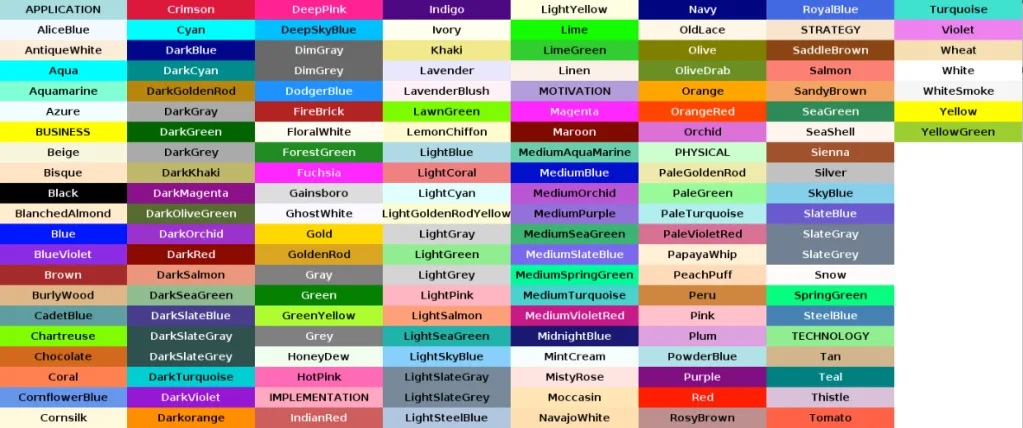
Color-based names have captured the hearts of parents worldwide, offering a spectrum of possibilities that range from subtle and sophisticated to bold and brilliant. When you think about naming your child after a color, you’re not just choosing a label—you’re selecting a characteristic that will follow them throughout their life, painting their identity with shades of meaning and personality.
Why Parents Choose Hues for Their Children
The tradition of naming children after colors stretches back centuries across multiple cultures. In ancient Rome, names like Rufus (meaning red) were commonplace, while Asian cultures have long embraced names reflecting natural colors found in jade, gold, and cherry blossoms. Today’s parents are rediscovering this naming approach with fresh enthusiasm.
Modern celebrity culture has amplified the trend significantly. When Gwyneth Paltrow named her daughter Apple, and later when other public figures chose names like Blue Ivy, Scarlett, and Violet, they sparked a naming revolution. These choices demonstrated that color-inspired names could be both sophisticated and accessible, opening doors for countless parents seeking something distinctive yet meaningful.
The psychological impact of these names shouldn’t be underestimated. Research suggests that names carrying strong visual associations help children develop robust self-identities. A child named Jade might feel connected to nature’s tranquility, while someone named Scarlett could embody passion and confidence. These subliminal associations shape how others perceive us and how we perceive ourselves.
Classic Color-Based Names That Never Fade
Some hues have proven their staying power across generations. Rose remains eternally popular, evoking images of romance, beauty, and English gardens. This name has graced royalty, literary heroines, and everyday families for centuries without losing its charm. The versatility of Rose allows it to work as both a first name and middle name, making it incredibly adaptable.
Violet has experienced a remarkable renaissance in recent years. Once considered old-fashioned, this purple-inspired name now ranks among the top choices for baby girls. Parents appreciate its vintage elegance combined with its connection to the delicate flower. The name carries connotations of creativity, spirituality, and regal bearing—qualities any parent would be proud to bestow upon their daughter.
For boys, Gray and Grayson have emerged as sophisticated alternatives to more traditional choices. These names suggest wisdom, balance, and modern masculinity without being overly aggressive. The neutral quality of gray as a color translates beautifully into a name that feels both grounded and contemporary. Many parents appreciate how these names avoid stereotypical gender associations while maintaining strength.
Hazel represents nature’s perfect blend of green and brown, describing eyes that seem to change with the light. This unisex name has climbed popularity charts steadily, appealing to parents who want something earthy yet refined. The name connects to the hazel tree, adding layers of symbolism related to wisdom and protection in Celtic mythology.
Bold and Brilliant: Vibrant Name Choices
Scarlett blazes across naming trends with undeniable intensity. Made famous by Gone with the Wind’s unforgettable protagonist, this name embodies courage, determination, and vivid personality. Parents who choose Scarlett often want their daughters to stand out, to be remembered, to make their mark on the world. The double ‘t’ ending gives it a punchy, confident sound that matches its fiery meaning.
Ruby sparkles with precious gemstone associations that elevate it beyond simple color identification. This name suggests value, rarity, and brilliance. In many cultures, rubies symbolize love, energy, and power—making Ruby an excellent choice for parents hoping to inspire strength in their children. The vintage revival has brought Ruby back into fashion with remarkable force.
Amber captures warmth and ancient beauty in two syllables. This fossilized tree resin, preserved for millions of years, creates a name that feels both timeless and organic. Parents drawn to Amber often appreciate natural history and want names that reflect the earth’s wonders. The name works beautifully across different cultures and languages, maintaining its essence regardless of pronunciation variations.
Indigo appeals to creative, artistic families seeking something genuinely unique. This deep blue-purple shade represents intuition, perception, and spiritual awareness in color psychology. While less common than other color-based names, Indigo offers distinctive charm for parents willing to venture beyond conventional choices. The name works for any gender, providing flexibility that modern families appreciate.
Subtle Shades: Understated Elegance
Ivory whispers sophistication rather than shouting it. This creamy white shade evokes purity without the clinical feeling of “White” as a name. Ivory works particularly well as a middle name, adding elegance to any first name combination. The material itself—elephant tusk—carries complexity that thoughtful parents might consider, but the color association remains beautifully neutral.
Sage has become incredibly popular for both boys and girls, offering nature-connected naming with a sophisticated twist. The grayish-green herb brings associations of wisdom, healing, and culinary delight. Parents who practice herbalism, cooking, or simply appreciate subtle natural beauty find Sage irresistible. The name sounds contemporary while feeling rooted in tradition.
Silver shimmers with metallic coolness that appeals to modern sensibilities. While less common than gold-inspired names, Silver offers futuristic elegance combined with precious metal symbolism. This name works especially well for families with technological interests or those who appreciate science fiction influences in their naming choices.
Slate provides a strong, geological option that sounds masculine yet could work for any gender. This blue-gray stone suggests stability, foundation, and enduring strength. The single syllable gives it impact without complexity, making Slate memorable and easy to pronounce across different linguistic backgrounds.
Cultural Perspectives on Chromatic Naming
Asian naming traditions have long incorporated colors with deep symbolic meanings. In Chinese culture, Gold (Jin) represents wealth and prosperity, while Jade (Yu) symbolizes purity and moral integrity. Japanese names like Akira (bright/red) and Midori (green) seamlessly blend color with other meanings, creating layered significance that Western names sometimes lack.
African naming traditions often connect colors to spiritual and social significance. Names referencing red might relate to warrior traditions or coming-of-age ceremonies, while white-inspired names could represent purity or ancestral connections. Understanding these cultural contexts helps parents appreciate the weight that color-based names carry across different societies.
Latin American cultures embrace colorful naming with particular enthusiasm. Names like Blanca (white), Morena (brown), and Colorado (red) appear regularly in Spanish-speaking communities. These names often connect to physical characteristics, regional pride, or religious symbolism, showing how color naming can serve multiple cultural functions simultaneously.
The Psychology Behind Color Name Selection
Parents choosing color names often seek to project specific qualities onto their children’s futures. Studies in color psychology reveal that blues suggest calmness and reliability, reds indicate passion and energy, while greens connect to growth and harmony. When parents select these names, they’re essentially creating a lifelong association between their child and these psychological effects.
The synesthesia phenomenon—where people associate specific colors with sounds or words—makes some color names feel particularly “right” to certain parents. A name like Azure might sound blue to someone with synesthetic tendencies, creating a harmonious connection between the name’s meaning and its auditory quality. This subconscious matching process influences name selection more than most parents realize.
Identity formation research suggests that children with distinctive names, including color-based names, often develop stronger individual identities earlier than peers with common names. They learn to explain their names, defend their uniqueness, and ultimately embrace what makes them different. This early identity work can translate into increased confidence and self-awareness throughout life.
Modern Trends Shaping Color Naming
Gender-neutral color names have exploded in popularity as society moves toward more fluid identity concepts. Names like Blue, Gray, and Sage work beautifully for any child, giving parents flexibility and children the freedom to define their own identities. This trend reflects broader cultural shifts toward inclusivity and personal choice.
Celebrity influence continues driving color name trends in unexpected directions. When Kylie Jenner named her daughter Stormi (technically weather-related but carrying gray-blue associations), searches for similar aesthetic names skyrocketed. Social media amplifies these trends instantaneously, creating naming waves that previous generations never experienced.
Vintage revival has brought forgotten color names back into rotation. Names like Mauve, Clementine, and Umber—once relegated to great-grandparent status—now sound fresh and distinctive to millennial parents. This cyclical naming pattern ensures that color names never truly disappear; they simply hibernate until cultural conditions make them appealing again.
Nature-inspired color names are dominating modern registries. Names like Forest, Ocean, and Sky blend color associations with environmental connections, appealing to eco-conscious parents. These names suggest not just a hue but an entire ecosystem, providing rich imaginative territory for children as they grow into their names.
Practical Considerations for Color Name Selection
Pronunciation challenges can affect color name choices, especially in multicultural families. A name like Cyan might be clear to English speakers but confusing in other linguistic contexts. Parents should test their chosen color name across relevant languages and accents to ensure it maintains its intended meaning and doesn’t accidentally create embarrassing translations.
Sibling coordination presents interesting challenges when using multiple color-based names. Having children named Red and Blue might seem clever initially but could create unwanted comparisons. Some parents embrace themed naming sets intentionally—Rose, Violet, and Lily—while others prefer diversity. Neither approach is inherently superior; it depends on family values and aesthetic preferences.
Professional implications matter for certain color names. While most color names carry no professional stigma, extremely unusual choices might affect how seriously a child is taken in formal contexts. Parents should consider whether their chosen name will serve their child well in both childhood playgrounds and adult boardrooms.
Middle name combinations offer opportunities to balance bold color names with traditional elements. Pairing Scarlett with Elizabeth or Indigo with James creates naming bridges between contemporary creativity and family tradition. This strategy allows parents to honor relatives while still choosing distinctive first names that reflect their personal style.
Creating Unique Color Name Variations
Inventive parents often modify existing color names to create something truly original. Variations like Rosalind, Violetta, Jaden (from Jade), or Ambrose (related to Amber) provide color connections while sounding more elaborate. These extended versions offer nickname possibilities that straight color names sometimes lack.
Combining colors with other meaningful elements produces hybrid names with layered significance. Names like Roseanne, Bluebell, or Silverstone merge color symbolism with additional meanings, creating rich naming tapestries. These combinations satisfy parents wanting both uniqueness and substance in their naming choices.
Spelling variations allow personalization of common color names. Changing Rose to Roze, or Gray to Grey reflects personal preference while maintaining the essential color connection. Some parents take this further, creating entirely new spellings that preserve pronunciation while appearing distinctive on paper.
The future of chromatic naming looks increasingly creative as parents continue pushing boundaries. Names inspired by specific color shades—like Cerulean, Vermillion, or Chartreuse—appeal to parents with artistic backgrounds or particular color preferences. While these choices remain unconventional, they demonstrate the endless possibilities within color-inspired naming.
Choosing names for children represents one of parenthood’s most significant responsibilities. Color-based names offer a perfect balance between meaningful symbolism and aesthetic beauty, providing children with identities that carry visual associations throughout their lives. Whether you prefer classic Rose, vibrant Scarlett, or unique Indigo, the spectrum of chromatic naming options ensures every family can find their perfect shade.
Read also:
