

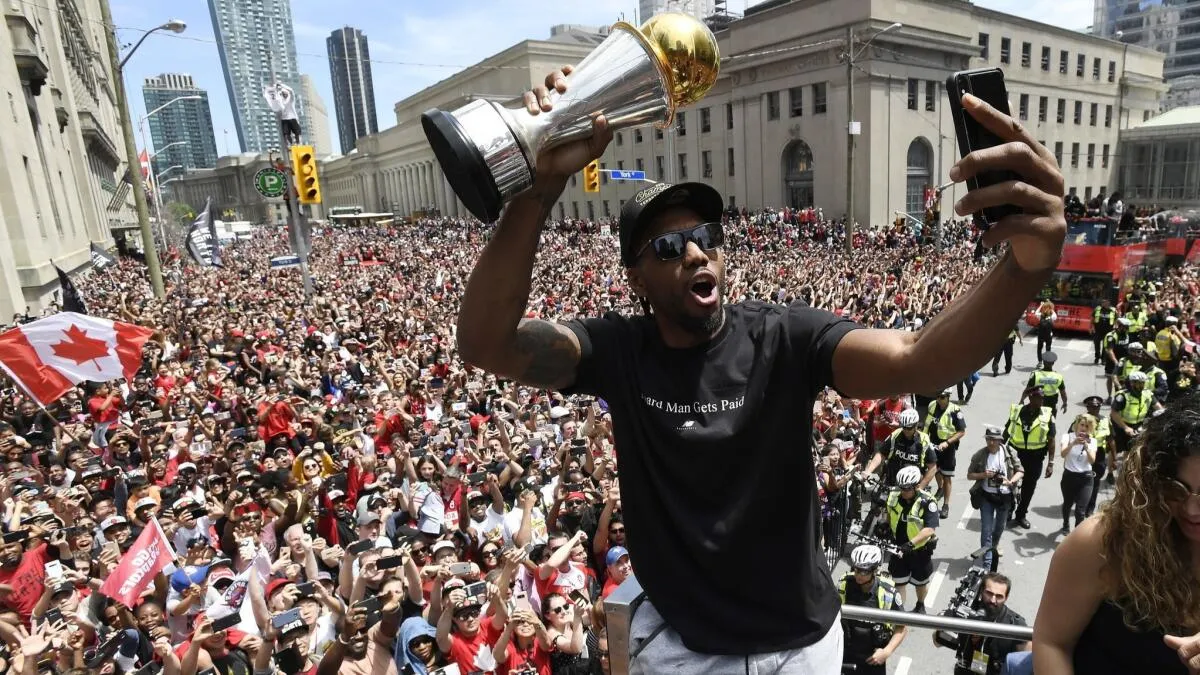
Championship Parade celebrations are the ultimate physical manifestation of a city’s collective joy, turning ordinary streets into rivers of confetti and noise. There is an electricity that pulses through the air when a long-suffering fan base finally gets to see their heroes hoisting a trophy from the top of an open-air bus. I remember standing in the freezing cold during a winter celebration in a Midwestern city, feeling the heat of the crowd as we waited for hours just to catch a three-second glimpse of a star quarterback. It is a moment where social barriers dissolve and everyone from the corporate executive to the student shares the same high-five. These events represent the closing chapter of a grueling season, a chance for the community to breathe together and say, “We did it.”
The architecture of these celebrations has evolved significantly over the last few decades, moving from small town-hall gatherings to massive municipal undertakings that require months of logistical preparation. A modern victory march is not just a casual drive through the city; it is a highly choreographed production involving thousands of security personnel, sanitation workers, and media specialists. The goal is to create a safe environment where a million people can congregate in a space originally designed for a fraction of that number. When you see those iconic shots of skyscrapers raining ticker-tape down on a bustling avenue, you are witnessing the result of a seamless collaboration between sports franchises and local government agencies.
Experience in municipal planning suggests that the announcement of a route is the first major hurdle for city officials. The path must be wide enough to accommodate massive crowds while being strategically located to minimize disruption to critical infrastructure like hospitals or fire stations. Engineers and safety experts spend countless hours analyzing “pinch points” where the crowd might become too dense, ensuring that emergency exits are always accessible. This level of expertise is what prevents a joyful occasion from turning into a logistical nightmare, allowing the focus to remain entirely on the athletes and the fans.
The emotional resonance of a victory march often stems from the shared history of a city and its team. For cities like Cleveland or Chicago, which endured decades of championship droughts, the parade was more than a party; it was a form of cultural exorcism. It represented the end of a curse and the beginning of a new identity. People brought photos of deceased relatives who never got to see a win, holding them up as the buses rolled by. This deep-seated connection is why people are willing to stand in the rain or snow for six hours before the first float even appears.
Planning the Ultimate Championship Parade Logistics
The financial commitment required to host such a massive event is staggering, often reaching into the millions of dollars. Funding typically comes from a blend of private sports franchise contributions and public municipal budgets, sparking debates about the use of taxpayer money. However, the economic “halo effect” for local businesses often offsets these costs. Bars, restaurants, and hotels along the route usually see their highest revenue days in history. Trustworthiness in these economic reports is vital for city leaders who must justify the expenditure to their constituents after the last piece of confetti is swept away.
Sanitation is perhaps the most overlooked aspect of the day’s expertise. A city like New York or Boston can accumulate dozens of tons of trash in just a few hours during a major celebration. The “Clean Sweep” crews follow the tail end of the parade with military precision, utilizing high-powered blowers and industrial sweepers to return the streets to normal within hours. It is a thankless job that requires incredible coordination to ensure that the city can reopen for business the following morning without a trace of the previous day’s chaos.
Security protocols have also reached a new level of sophistication in the modern era. Law enforcement agencies utilize a combination of undercover officers, drone surveillance, and physical barriers to protect the public. The challenge is to maintain a high level of safety without making the event feel like a militarized zone. This balance is achieved through “invisible” security measures and clear communication with the public about prohibited items and entry points. An authoritative security plan is the foundation upon which the entire celebration sits, providing the peace of mind necessary for fans to let loose and enjoy the moment.
Transportation is another pillar of the logistical puzzle. Transit authorities often have to double or triple their capacity for a single day, running “victory specials” on subway lines and bus routes. I have seen train platforms so crowded that they looked like a sea of team colors, with commuters squeezed together in a festive, if uncomfortable, embrace. Successful city planning involves managing these surges without compromising the safety of the daily commuters who might not be participating in the festivities. It is a delicate dance of timing and resource allocation that tests the limits of any urban infrastructure.
The Cultural Legacy of a Championship Parade
Beyond the immediate excitement, these events leave a lasting mark on the city’s folklore and the players’ legacies. We remember the specific “viral” moments that happen on the buses—the legendary speeches, the spilled drinks, and the interactions with the crowd. When a player grabs the microphone and gives a raw, emotional speech that resonates with the blue-collar spirit of the city, they become more than just an athlete; they become a folk hero. These speeches are often quoted for decades, serving as a reminder of the bond between the team and its supporters.
The tradition of the ticker-tape parade itself has a fascinating history, originating in New York City in the late 19th century. Initially, it was a way to celebrate visiting dignitaries or returning war heroes, utilizing the paper ribbons discarded from stock market ticker machines. While digital technology has replaced those physical machines, the “ticker-tape” aesthetic remains the gold standard for a Championship Parade. Many cities now use biodegradable confetti or recycled paper to maintain the tradition while being more environmentally conscious, showing a modern commitment to sustainability.
Media coverage has also transformed the way we experience these victory marches. High-definition cameras mounted on drones and “steadi-cams” on the buses provide an immersive look that makes viewers at home feel like they are part of the celebration. Social media allows for real-time interaction, where fans can see “behind-the-scenes” footage from the players’ own phones. This digital layer adds to the authoritativeness of the event, documenting every smile and trophy toss for posterity. It ensures that even those who couldn’t make it to the city center can still feel the pulse of the crowd.
The psychological impact of a collective win on a city’s morale is a subject of much study among sociologists. A major victory can lead to a measurable increase in civic pride and social cohesion. For a few days, the city feels unified, and the common language of sports bridges gaps between different neighborhoods and backgrounds. This “social capital” is one of the most valuable outcomes of a celebration, fostering a sense of belonging that can improve the overall quality of life in an urban environment. It is a reminder that we are social creatures who thrive on shared success and communal rituals.
Navigating the Crowds as a Fan
If you are planning to attend one of these massive gatherings, preparation is the key to having a positive experience. Veteran parade-goers know that arriving at the route at least four to five hours early is non-negotiable if you want a front-row spot. Many people bring folding chairs, blankets, and plenty of snacks to pass the time. It is also important to dress in layers, as the temperature can fluctuate significantly from the early morning wait to the midday peak of the festivities. Comfort should always take priority over fashion when you are standing on concrete for half a day.
Communication can be a major issue during a Championship Parade, as the sheer number of people in a small area often overwhelms local cell towers. This results in “digital dead zones” where you cannot send texts or make calls. It is highly recommended to set a “rally point” with your group in case someone gets separated. Choosing a specific landmark, like a statue or a particular storefront, ensures that you have a plan that doesn’t rely on technology. Being professional about your planning prevents the stress of being lost in a crowd of hundreds of thousands.
Hydration and health are also critical considerations. It is easy to get caught up in the excitement and forget to drink water, especially if the weather is warm. Many fans make the mistake of over-consuming alcohol early in the day, which leads to exhaustion or medical issues before the buses even arrive. Most cities set up “comfort stations” with water and first aid, but being self-sufficient is always the safer bet. Knowing the locations of the nearest public restrooms is also a vital piece of “insider” knowledge that can save your day.
Choosing where to stand along the route is a strategic decision. While the “start” of the route offers the most energy as the players first emerge, the “rally point” at the end is where the most significant speeches and trophy presentations usually occur. Some fans prefer to find a spot near a major intersection where the buses have to slow down, providing a better opportunity for photos. Others seek out elevated positions, like parking garages or balconies, to get a bird’s-eye view of the sea of people. Each vantage point offers a different perspective on the scale of the achievement.
The Role of the Athletes in the Celebration
For the players, the victory march is often the first time the reality of their achievement truly sinks in. After weeks of high-pressure games and media scrutiny, the parade is a chance to let their guard down and connect with the people they represent. Many athletes describe the experience as overwhelming, seeing the sheer number of people who have invested their emotions in the team’s success. It is a humbling moment that often cements a player’s desire to stay with a franchise and chase another title in the future.
The interaction between the players and the fans is the heart of the Championship Parade. I have seen players jump off the buses to run along the barricades, high-fiving children and signing jerseys. These small acts of kindness create lifelong fans and humanize the million-dollar stars. When a player takes the time to acknowledge a fan’s sign or share a laugh with someone in the crowd, it reinforces the idea that the team belongs to the city. This mutual respect is the foundation of a healthy sports culture, ensuring that the fans remain loyal even during the losing seasons.
Some players use the platform to celebrate their own personal journeys, often bringing their families along for the ride. Seeing a veteran player holding their child while hoisting the trophy is a powerful image of professional and personal fulfillment. It reminds the audience that these are real people with families and histories, adding a layer of depth to the “gladiator” persona they project on the field. This transparency builds trust between the athletes and the public, creating a more authentic and relatable brand of stardom.
The “Parade MVP” is a fun unofficial title often given to the player who has the most fun during the route. Whether it’s through an outrageous outfit, a hilarious dance move, or a particularly spirited interaction with the fans, one player usually stands out as the life of the party. These antics become the stuff of legend, shared in highlight reels for years to come. They add a sense of levity and “human-ness” to the event, proving that even at the highest level of professional competition, there is still room for childlike joy and playfulness.
The Evolution of Parade Technology
In the past, a parade was a simple affair with a few cars and a high-school band. Today, the “floats” are often sophisticated engineering marvels with built-in sound systems, LED screens, and confetti cannons. Some buses are equipped with live-streaming hardware that allows players to broadcast their perspective directly to millions of followers on Twitch or Instagram. This technological integration has expanded the reach of the celebration, turning a local event into a global spectacle that can be followed from anywhere in the world.
The “audio landscape” of a modern march is also a feat of technical expertise. Sound engineers set up massive speaker arrays along the entire route to ensure that the music and announcements are synchronized. This prevents the “echo” effect that can happen in large urban canyons, creating a cohesive auditory experience for everyone. The choice of music is often carefully curated to reflect the team’s identity and the city’s musical heritage. When the right anthem hits at the right moment, the emotional impact on the crowd is amplified ten-fold.
Even the confetti itself has gone high-tech. Many celebrations now use “multistage” confetti launches, where different colors and shapes are released at specific intervals to create a “layered” visual effect. Some cities use specialized “CO2 cannons” that can shoot paper ribbons five stories high, ensuring that the fans in the upper windows of skyscrapers get a piece of the action. This attention to detail shows a level of professional craftsmanship that aims to make every second of the event as photogenic and memorable as possible.
Future celebrations will likely incorporate even more augmented reality (AR) and interactive elements. Imagine a scenario where fans can point their phones at a passing bus and see real-time stats or “virtual trophies” floating in the air. These innovations will continue to push the boundaries of what a public celebration can be, ensuring that the tradition remains relevant for a tech-savvy generation. However, no matter how much the technology changes, the core of the event will always be the simple human connection between a team and its city.
Post-Parade Rallies and Final Speeches
Most victory marches culminate in a massive rally at a central landmark, such as a city hall plaza or a stadium. This is where the “official” part of the celebration takes place, featuring speeches from the mayor, the team owner, and the coaching staff. While the parade is about energy and movement, the rally is about reflection and gratitude. It is the time for the team to formally thank the city for its support and for the city to honor the team for its resilience. These moments provide a sense of closure to the championship journey.
The speeches given at these rallies often become iconic parts of sports history. A coach might use the opportunity to address the critics who doubted the team, while a star player might share a personal story of overcoming injury or adversity. These narratives add a layer of “Experience” and “Expertise” to the celebration, showing the hard work that went into the win. They provide the fans with an insider’s perspective on the season’s challenges, making the eventual victory feel even more earned.
The sight of the entire team gathered on a stage, with a sea of fans stretching as far as the eye can see, is one of the most powerful images in all of sports. It is the peak of the championship experience, a moment where the “Trustworthiness” of the team’s promise to the city is fulfilled. For many fans, this is the most emotional part of the day, as the realization that the season is truly over begins to set in. It is a bittersweet moment that marks the beginning of the “off-season” and the long wait for next year’s quest.
The logistical challenge of clearing a massive plaza after a rally is the final test for city officials. The crowd tends to disperse all at once, putting an enormous strain on the surrounding streets and transit systems. Successful management of this “exit phase” is vital for public safety, requiring clear directions and a heavy presence of transit staff. When the last fan leaves and the lights go out, the city begins the slow process of returning to normal, carrying the memories of a day that will be discussed for generations.
The enduring appeal of the victory march lies in its ability to capture a fleeting moment of perfection. In a world that is often divided and complicated, the parade offers a simple, pure experience of joy and unity. It is a celebration of excellence, resilience, and the power of community. Whether you are a die-hard fan or a casual observer, the energy of a city celebrating a championship is something that stays with you forever. It is the heartbeat of the sporting world, a vibrant reminder of why we love the game and the stories it tells.