

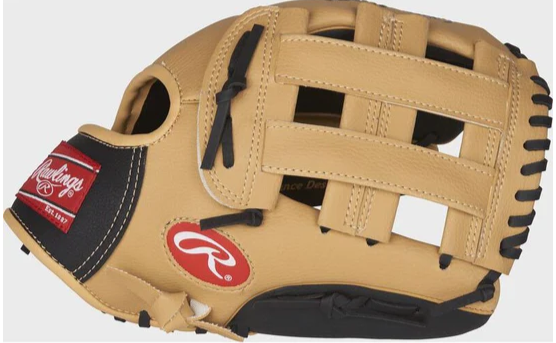
Baseball gloves are essential pieces of equipment for players at all levels. They have evolved over the years from simple leather pieces to highly engineered tools designed to enhance performance, safety, and comfort. Whether you are a beginner, a parent buying for your child, or a seasoned player looking to upgrade, understanding baseball gloves types, features, and care is crucial.
History and Evolution
Baseball gloves first appeared in the late 1800s. Initially, players used their bare hands to catch balls, resulting in frequent injuries. The first gloves were simple leather designs with minimal padding, mainly used for protection rather than performance enhancement. As the sport progressed, gloves became more specialized, with innovations in webbing, pocket depth, and materials to cater to different fielding positions.
Types of Baseball Gloves
- Catcher’s Mitt
- Designed with extra padding to handle fast pitches.
- Features a closed web and a fingerless design for better durability and quick ball transfer.
- Measured in circumference instead of length, typically 32-34.5 inches.
- First Baseman’s Mitt
- Longer and wider with a deep pocket to scoop up balls easily.
- Similar to a catcher’s mitt but with less padding and a flexible design for fielding throws.
- Infield Gloves
- Smaller size (usually 11-12 inches) for quick ball transfers.
- Shallow pockets help infielders grab and throw the ball rapidly.
- Used by shortstops, second basemen, and third basemen.
- Outfield Gloves
- Larger (12-13 inches) to cover more area and catch fly balls efficiently.
- Deeper pockets and longer lengths help secure catches when running or diving.
- Pitcher’s Gloves
- Similar to infield gloves but with closed webbing to conceal pitch grip from batters.
- Moderate size (around 11.5-12.5 inches).
Key Features to Consider
- Webbing: Closed webbing is ideal for pitchers, while open webbing benefits infielders for quicker ball visibility and transfers. Outfielders often prefer closed or modified trap webs for stability.
- Material: Full-grain leather is durable and stiff but lasts longer. Premium steerhide and kip leather are common in professional gloves, while synthetic leather suits beginners due to its lighter weight and easier break-in.
- Pocket Depth: Infielders prefer shallow pockets for quick release, while outfielders need deep pockets for securing fly balls.
- Back Style: Open back gloves offer more flexibility, while closed back gloves provide wrist support and stability.
Glove Sizing
Selecting the right glove size is crucial for comfort and performance. Youth gloves range from 9-12 inches, while adult gloves vary based on position:
- Infield: 11-12 inches
- Outfield: 12-13 inches
- First base: 12-13 inches (mitt)
- Catcher: 32-34.5 inches (mitt)
Breaking In Your Glove
A new baseball glove requires breaking in to mould perfectly to your hand. Common break-in methods include:
- Playing catch repeatedly to naturally shape the glove.
- Use glove oil or conditioner to soften the leather.
- Placing a ball in the pocket and wrapping the glove tightly overnight.
- Avoid using extreme heat or microwaving the glove, as it can damage the leather.
Glove Care and Maintenance
Proper care extends your glove’s life significantly:
- Clean dirt and debris with a soft brush after each game.
- Apply glove conditioner sparingly to prevent leather cracking.
- Store in a cool, dry place with a ball in the pocket to maintain shape.
- Avoid leaving your glove in damp areas or under direct sunlight for extended periods.
When to Replace a Baseball Glove
Although high-quality gloves can last many seasons, they should be replaced when:
- Padding becomes too thin, risking hand injuries.
- The leather is excessively cracked or torn.
- The glove loses its shape, affecting fielding performance.
Final Thoughts
Baseball gloves are more than just gear; they are an extension of a player’s skill and confidence on the field. Choosing the right glove requires understanding your playing position, sizing needs, and comfort preferences. Investing in proper break-in and care ensures your glove remains a reliable tool season after season. Whether you are catching fastballs behind the plate, scooping throws at first base, or making diving catches in the outfield, the right glove enhances your game and keeps your hands protected for years to come.