

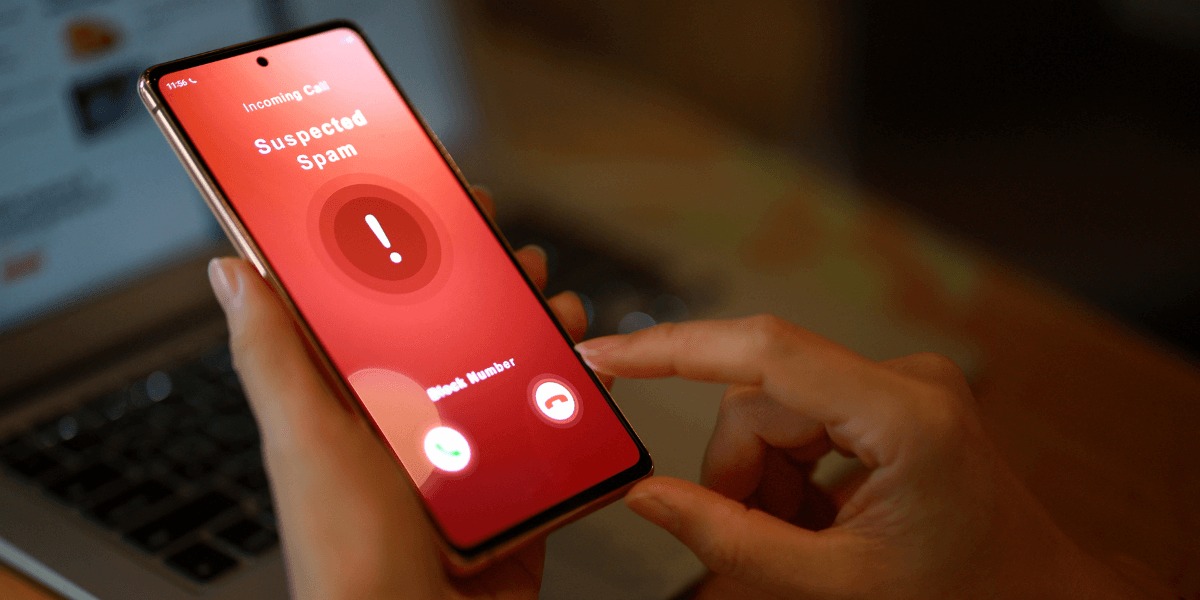
In today’s digital banking world, receiving a new debit or credit card in the mail is exciting. But along with it often comes instructions to call a toll-free number like 1-866-985-2273 (or 18669852273) to activate the card and set up your PIN. Many people wonder—is this number safe, or is it part of a growing scam trend?
What Is the Number 1-866-985-2273?
The number 1-866-985-2273 is a toll-free U.S. phone line (area code 866) primarily associated with debit and credit card activation services for various credit unions and financial institutions across America.
Several credit unions, including Chrome Federal Credit Union, Cowboy Country FCU, Pegasus Community Credit Union, and others, officially direct new cardholders to call this exact number to activate their Visa or Mastercard debit cards.
The process is straightforward:
-
Call from a phone number linked to your account.
-
Enter your new card number.
-
Provide the last four digits of your Social Security Number (SSN).
-
Input the CVV (three-digit code on the back) and expiration date.
-
Create or reset your PIN.
Once completed, your card becomes active for ATM withdrawals, purchases, and online transactions. This centralized system allows smaller credit unions to outsource secure activation without building their own call centers.
Why Do So Many People Search for This Number?
A quick glance at consumer complaint sites like 800notes and CallFilter shows mixed feedback. Some users report it as a legitimate service, while others flag it suspiciously.
Positive reports often come from people who recently received a new card in the mail from their credit union. They confirm the number worked exactly as instructed, and their card activated without issues.
On the flip side, negative comments arise because scammers frequently spoof (fake) legitimate bank numbers. Fraudsters may call you claiming to be from “your bank” and ask you to call 1-866-985-2273 (or a similar number) to “verify” or “activate” something. In reality, they use this to harvest your card details, SSN, and PIN.
This phishing technique preys on confusion—real activation numbers exist, but unsolicited calls urging immediate action are almost always red flags.
How Card Activation Scams Work
Modern scammers are sophisticated. They might:
-
Send a text or email saying your card is locked or compromised.
-
Call pretending to be from your bank or credit union.
-
Direct you to call 18669852273 or another number to “fix” the issue.
-
Ask for sensitive information during the call.
Legitimate banks and credit unions never ask you to activate a card via an unsolicited call. Activation instructions always come printed on the card sleeve or welcome letter when you receive the physical card.
Key warning signs of a scam:
-
Unsolicited contact claiming urgent action is needed.
-
Requests for full card number, PIN, SSN, or CVV over the phone.
-
Pressure to act immediately to avoid account closure.
-
The caller ID shows a different number than the one they direct you to call.
Safe Steps to Activate Your Debit or Credit Card
Follow these best practices to avoid falling victim to fraud:
-
Verify the Source: Only call the number printed on the official card packaging or your bank’s verified website. Never use a number provided in an email, text, or unsolicited call.
-
Call from a Trusted Phone: Use the phone number registered with your account, as some systems cross-check it for security.
-
Use Official Channels: Many banks now allow activation through their mobile app, online banking portal, or ATM. These are often safer than phone calls.
-
Double-Check with Your Institution: If in doubt, hang up and call your credit union or bank using the customer service number listed on their official website (not from any message or email).
-
Monitor Your Accounts: After activation, regularly check statements for unauthorized transactions. Set up transaction alerts via app or text.
-
Report Suspicious Activity: If you receive a suspicious call, report it to your bank and the Federal Trade Commission (FTC) at ReportFraud.ftc.gov.
Remember, real financial institutions will never pressure you into sharing sensitive details over the phone without proper verification.
The Bigger Picture: Rise in Banking Scams
Phone-based card activation scams have surged with the growth of digital banking. Toll-free numbers like 1-866-985-2273 become targets because they sound official and are widely used by legitimate organizations.
In 2025–2026, authorities reported thousands of cases where scammers impersonated credit unions and banks. Victims often lose hundreds or thousands of dollars before realizing the fraud.
Credit unions, being member-owned and community-focused, sometimes rely on third-party activation services, which can blur the lines and create confusion for customers.
Tips for Protecting Yourself in 2026
-
Enable two-factor authentication (2FA) on all banking apps.
-
Use virtual cards for online shopping where possible.
-
Never click links in unsolicited banking messages—type the bank’s URL manually.
-
Educate family members, especially seniors, about these common tactics.
-
Consider freezing your credit if you suspect identity theft.
Staying informed is your best defense. When you see a number like 18669852273, treat it as potentially legitimate only if it matches the instructions on your physical card.
For more info:-