

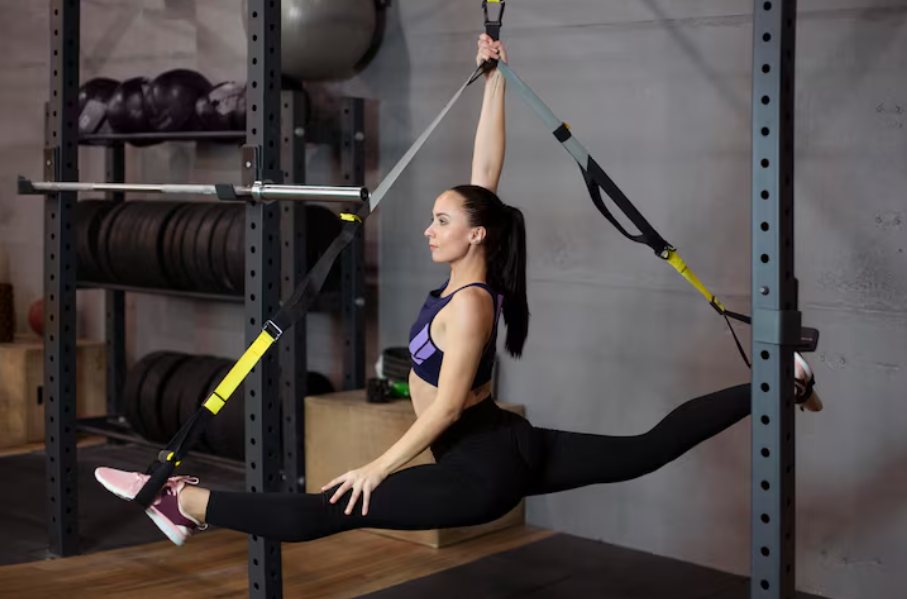
Aerial training has evolved from traditional circus performance into a global fitness and artistic discipline. Today, aerial silks, hoops, straps, and trapeze are used not only by professional performers but also by fitness enthusiasts, dancers, and athletes. Regardless of skill level, one factor remains essential for every aerialist — reliable and professional aerial equipment.
The quality of equipment directly affects safety, confidence, and progress. In this article, we explore the main types of aerial equipment, explain how to choose professional gear, and highlight why working with specialized suppliers is crucial for sustainable aerial training.
What Is Aerial Training?
Aerial training includes a range of disciplines performed while suspended above the ground. Originating in circus arts, aerial training is now widely practiced in studios, gyms, and private training spaces. These disciplines build upper body strength, core stability, flexibility, balance, and spatial awareness.
Unlike traditional fitness activities, aerial training places constant dynamic stress on both the body and the equipment. This makes certified, high-quality apparatus and rigging systems a non-negotiable requirement.
Why Equipment Quality Matters
Professional aerial equipment is designed to withstand repetitive loading, dynamic movement, and high stress levels. Using uncertified or low-quality gear significantly increases the risk of injury and limits technical development.
High-quality aerial equipment provides:
- Verified load ratings and durability
- Consistent grip and material performance
- Long-term resistance to wear
- Compliance with professional safety standards
Reliable equipment allows aerialists to focus fully on technique, creativity, and performance rather than safety concerns.
Main Types of Aerial Equipment
Aerial Silks
Aerial silks are strong fabric apparatus suspended from one or two anchor points. They are used for climbs, wraps, drops, and flowing transitions. Professional silks are manufactured from high-strength fabric and tested for aerial load requirements.
Aerial Hoops (Lyra)
Aerial hoops, also known as lyra, are circular steel apparatuses used for static poses, dynamic transitions, and strength-based elements. Proper hoop size, finish, and rigging style are essential for comfort and control.
Aerial Straps
Aerial straps are designed for advanced strength-focused training. They require reinforced stitching and high-tensile materials to support powerful and dynamic movements.
Rigging and Mounting Systems
Rigging components such as carabiners, swivels, spansets, and anchor points form the foundation of aerial safety. Even the highest-quality apparatus is unsafe without certified and correctly installed rigging.
Studio Training and Home Practice
Many aerialists combine studio classes with home practice. While studios typically provide certified rigging systems, home setups require careful planning, professional consultation, and properly rated equipment.
Key considerations for home aerial training include ceiling height, structural load capacity, crash mat usage, and regular equipment inspection.
How to Choose Professional Aerial Equipment
When selecting aerial gear, safety and quality should always come before price. Professional suppliers focus on testing, material quality, and real-world aerial use.
A trusted source of professional Aerial Equipment offers a wide range of apparatus and rigging solutions designed specifically for aerial training, studios, and performance environments.
When evaluating suppliers, look for:
- Clear technical specifications and load ratings
- Experience in aerial and circus disciplines
- High-quality materials and construction
- Transparent safety guidelines
The Importance of Specialized Platforms
Many professional aerialists choose to work with specialized platforms such as AcroFlyDance, where equipment and apparel are developed specifically for aerial, circus, and performance-based training rather than generic fitness use.
Working with experienced suppliers ensures consistent quality, reliable support, and equipment designed to meet the demands of aerial disciplines.
Maintenance and Equipment Care
Regular inspection and maintenance are essential for long-term safety. Fabric apparatus should be checked for wear, metal components for deformation, and rigging for signs of stress.
Proper care extends the lifespan of equipment and helps maintain professional safety standards throughout ongoing training.
Conclusion
Aerial training is a demanding discipline that requires strength, discipline, and complete trust in equipment. Professional aerial equipment supports safe progression, technical development, and creative freedom.
By choosing certified gear and working with specialized suppliers, aerialists build a solid foundation for sustainable training, performance, and long-term success.